Investment Sectors in Afghanistan
Afghanistan offers diverse investment opportunities across multiple sectors driven by its strategic geographic location, natural resources, agricultural potential, and growing regional trade connectivity. Despite decades of conflict, the country possesses significant untapped economic potential across industries that can support long-term development and sustainable growth.
According to international organizations including the World Bank, Asian Development Bank (ADB), and US Geological Survey (USGS), Afghanistan holds substantial natural resources, agricultural assets, and infrastructure development opportunities that remain largely underdeveloped. Strategic investment in these sectors can support economic diversification, employment creation, and regional economic integration.
Mining & Natural Resources
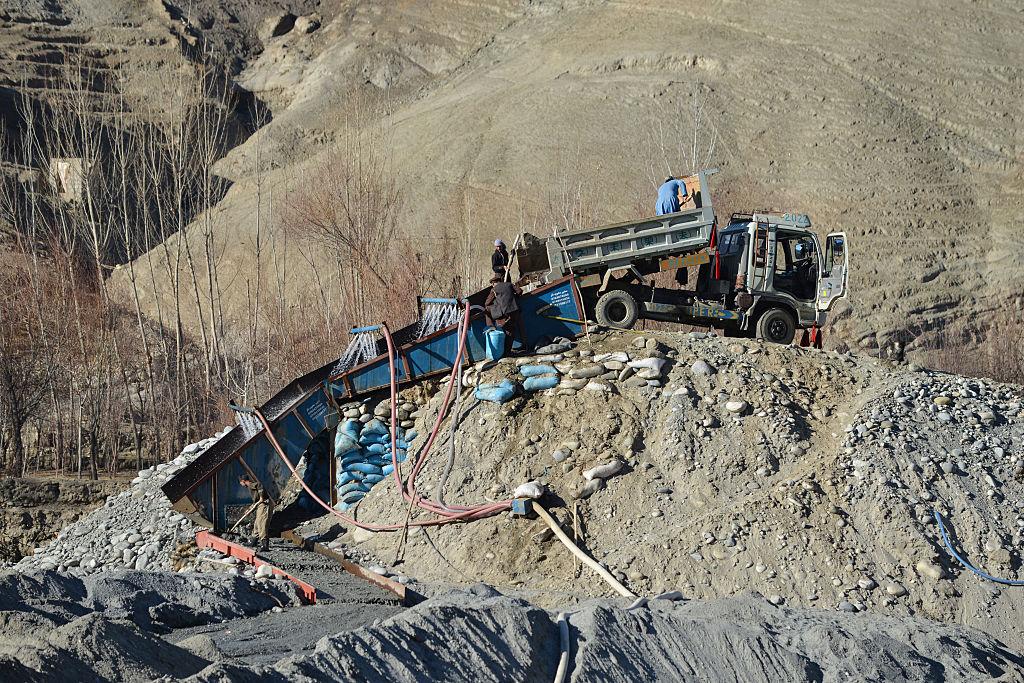
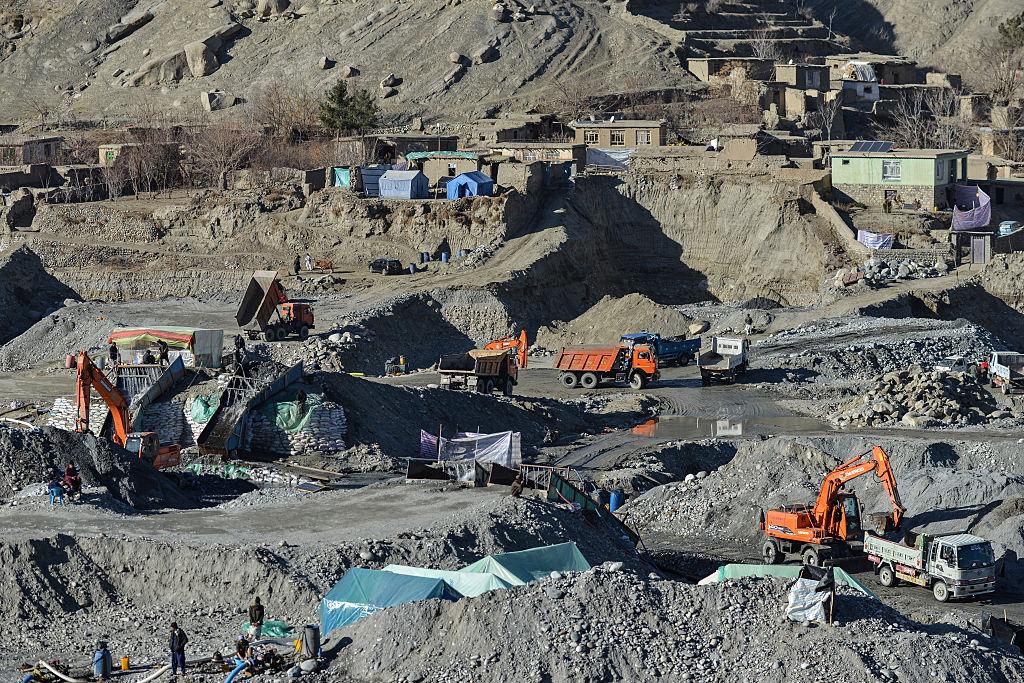
Afghanistan possesses some of the largest untapped mineral reserves in Asia. Geological surveys conducted by the US Geological Survey (USGS) estimate that the country holds mineral deposits potentially valued at over $1 trillion. These resources include copper, iron ore, lithium, rare earth elements, gold, and precious stones.
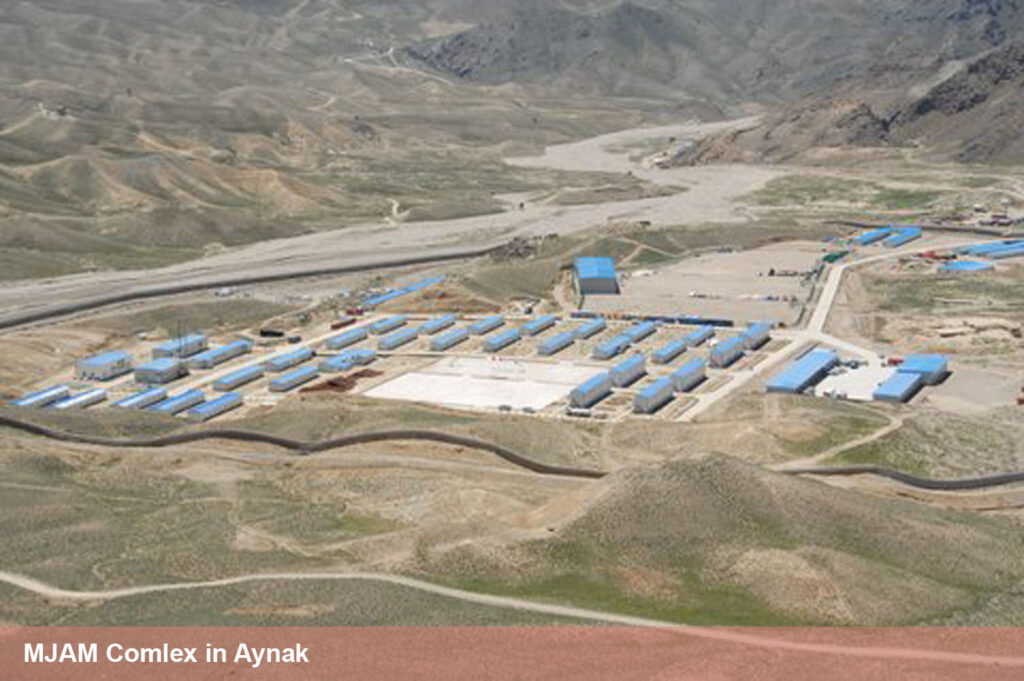
Major deposits such as the Mes Aynak copper mine, Hajigak iron ore deposit, and various lithium and rare earth deposits have attracted international interest in recent years. Responsible investment in mining infrastructure, processing facilities, and resource management can significantly contribute to national revenue generation and industrial development.
Agriculture & Agribusiness
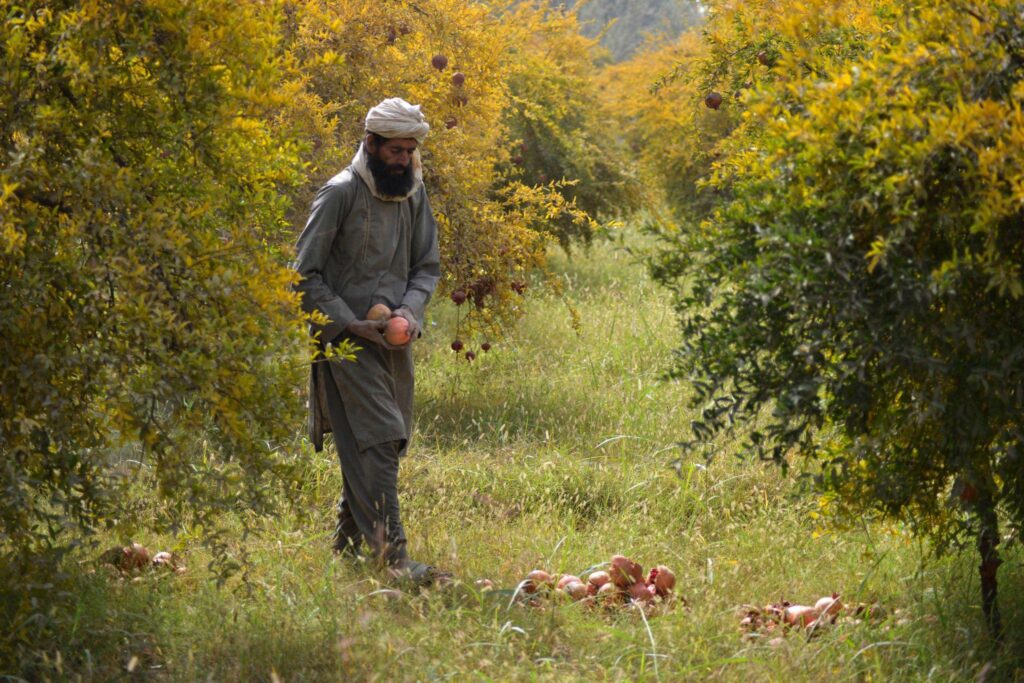
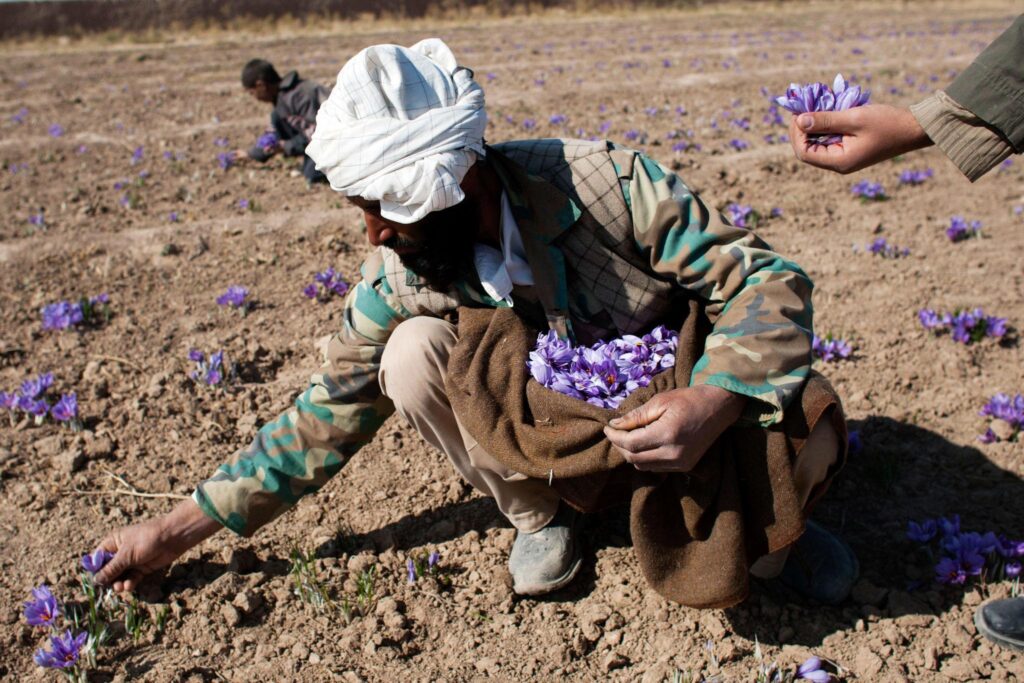
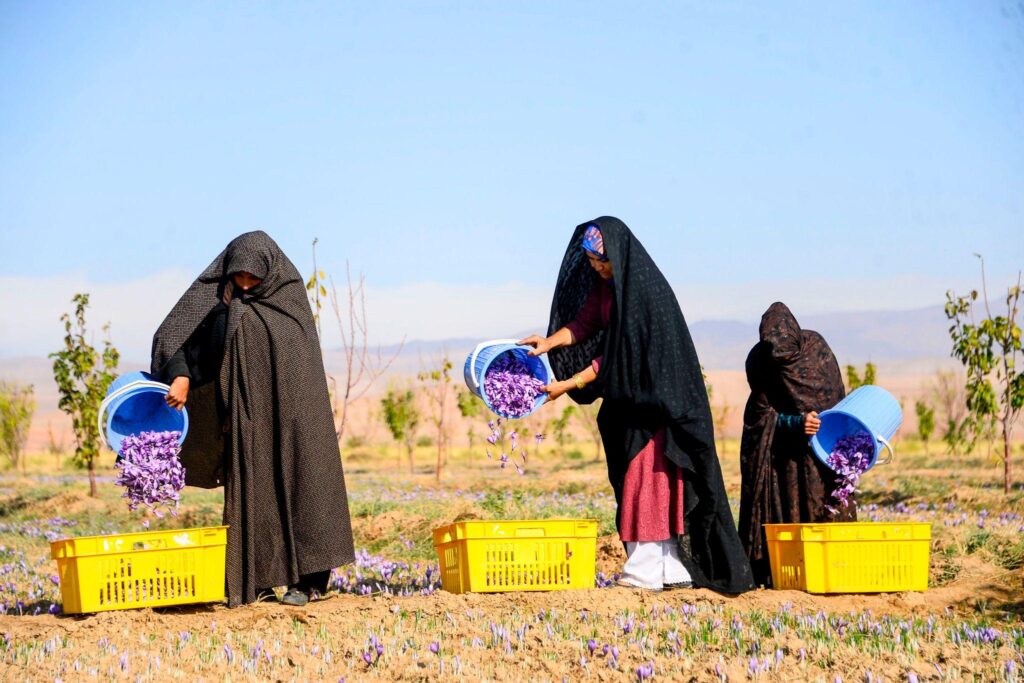
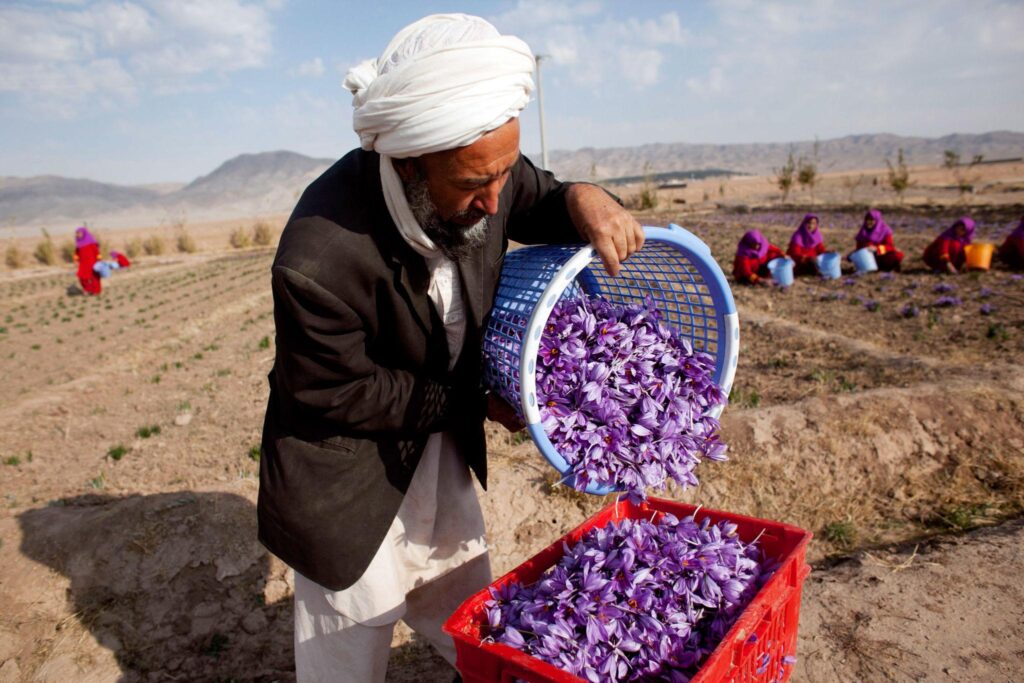
Agriculture remains a cornerstone of Afghanistan’s economy, employing a large portion of the population and contributing significantly to rural livelihoods. The country’s diverse climate allows for the cultivation of high-value crops including saffron, pistachios, almonds, pomegranates, grapes, and dried fruits.
Afghanistan is already one of the world’s leading exporters of dried fruits and nuts, with strong demand in regional markets. Investment opportunities exist in modern irrigation systems, food processing, cold storage facilities, agricultural logistics, and export value chains, which can improve productivity and market access.
Energy & Renewable Energy
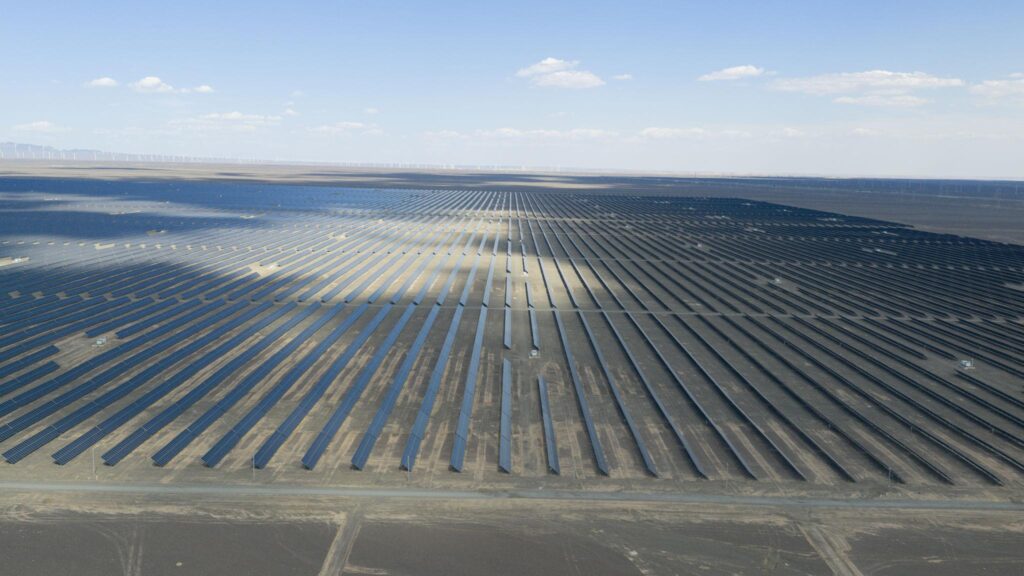
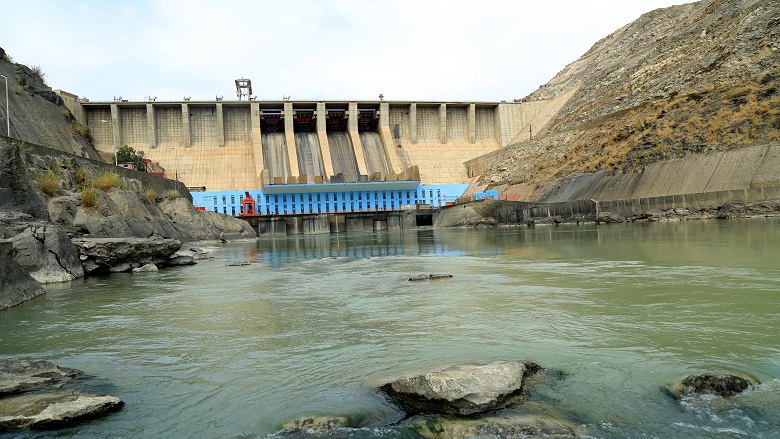
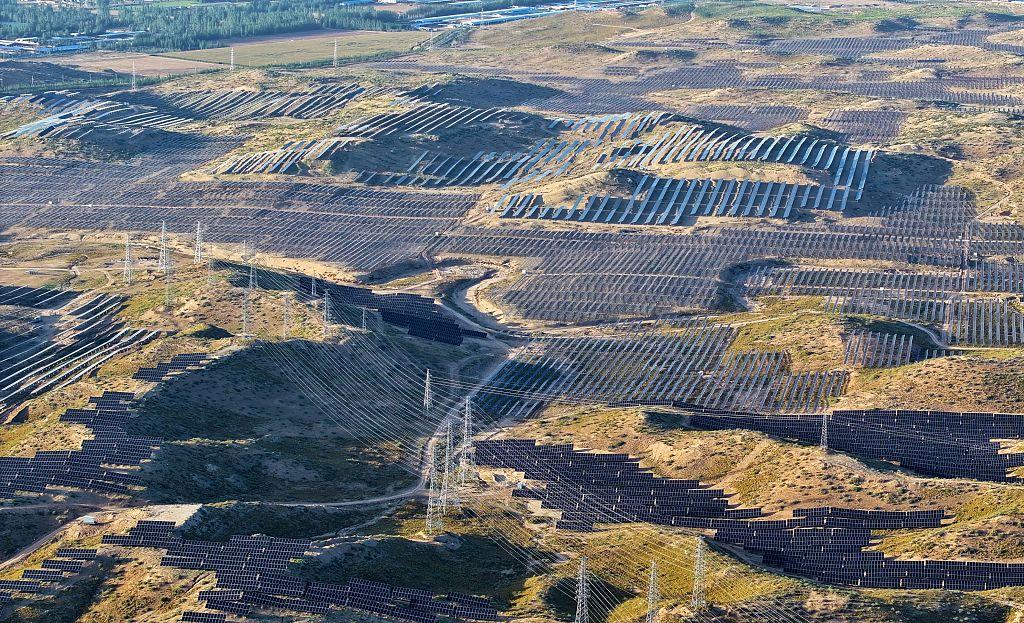
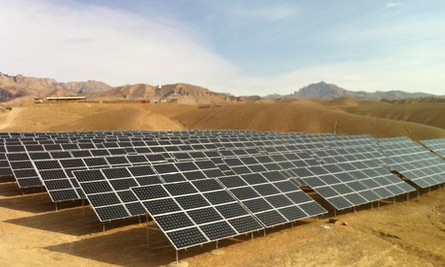
Afghanistan has considerable potential for energy development, particularly in hydropower, solar, and wind energy. According to the Asian Development Bank, the country has the capacity to generate thousands of megawatts of renewable electricity through hydropower projects and solar energy systems.
Investment in energy infrastructure can help reduce electricity shortages, support industrial growth, and improve regional energy connectivity through projects linked to Central and South Asian power markets.
Infrastructure & Transport
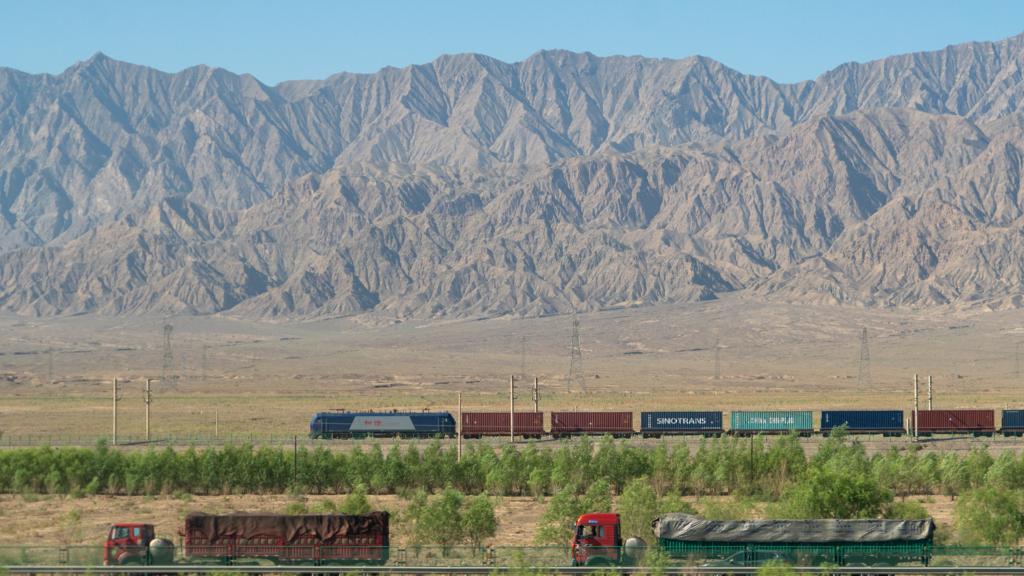
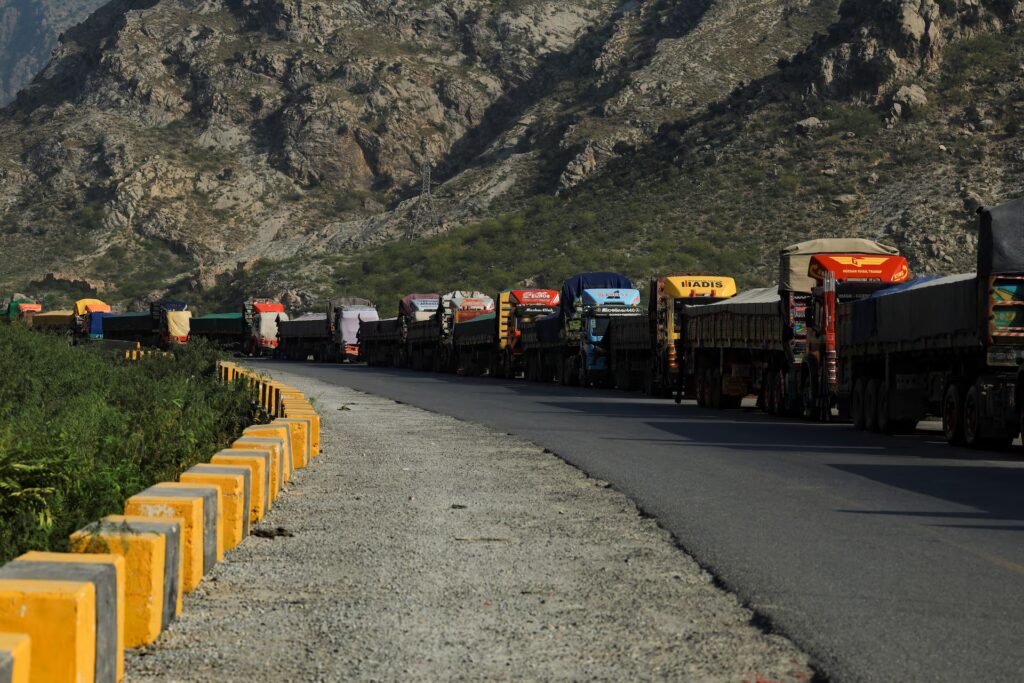
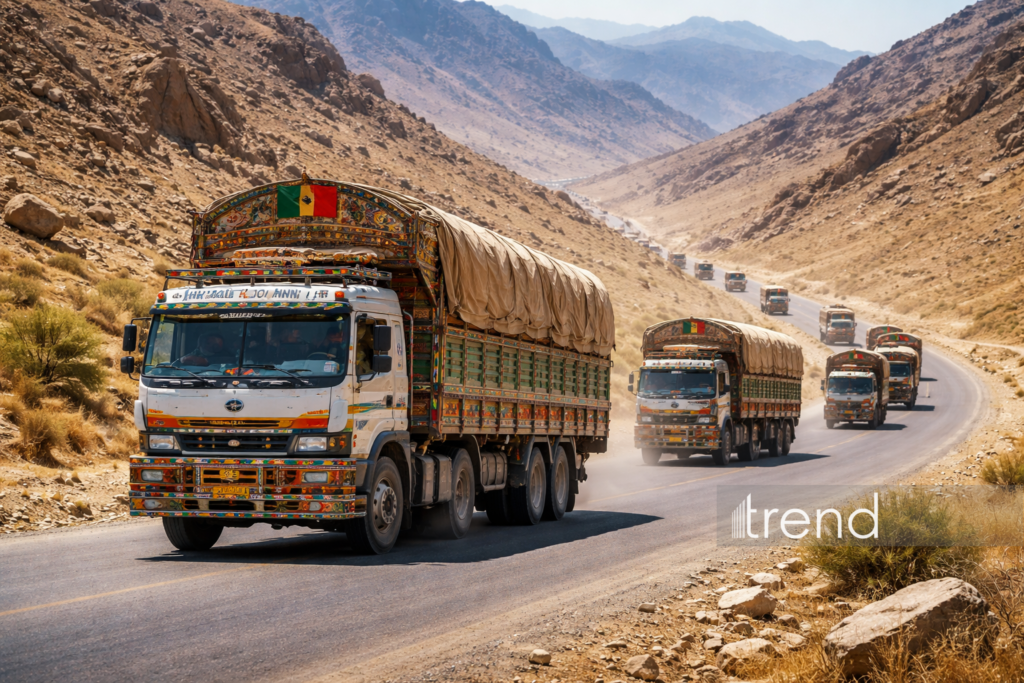
Infrastructure development remains a key priority for economic growth. Afghanistan sits at the crossroads of Central Asia, South Asia, and the Middle East, providing significant opportunities to serve as a regional trade and logistics hub.
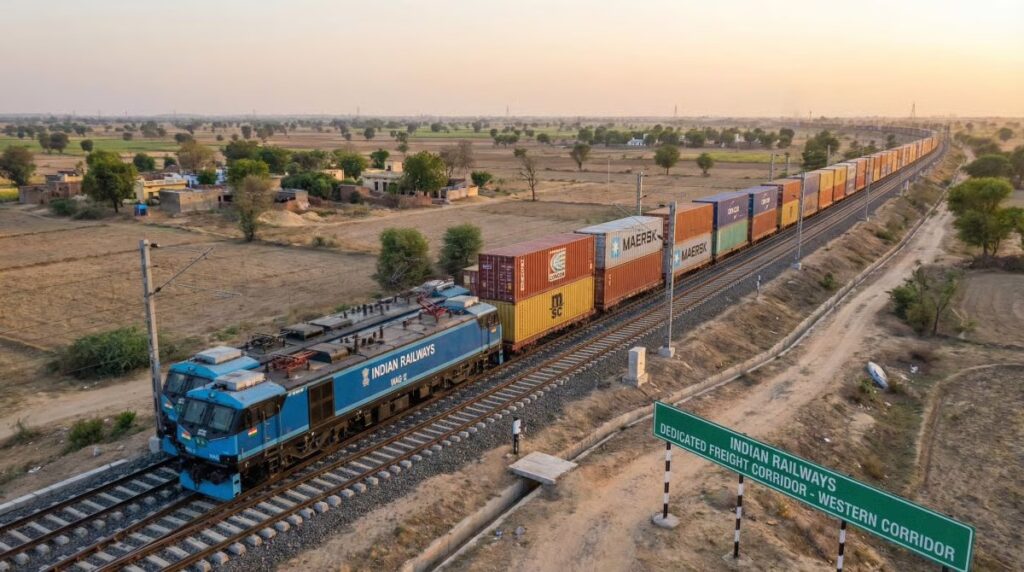
Investment opportunities include transport corridors, railway development, highways, logistics centers, and airport infrastructure. Projects aimed at improving connectivity can enhance trade flows, facilitate cross-border commerce, and strengthen regional economic integration.
Real Estate & Urban Development
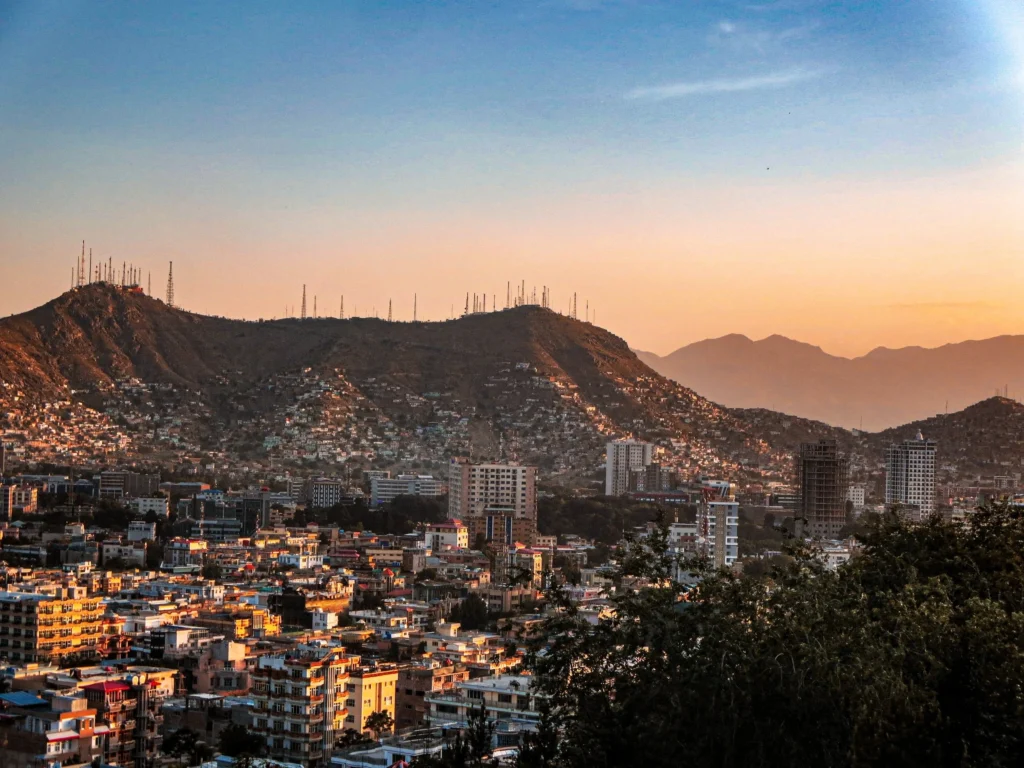
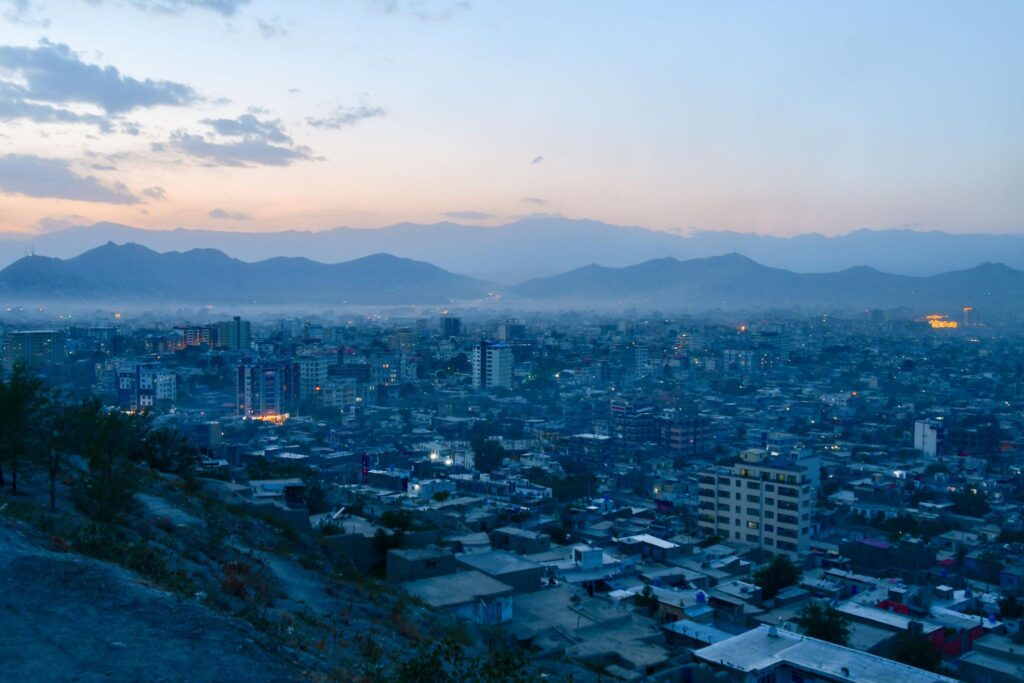
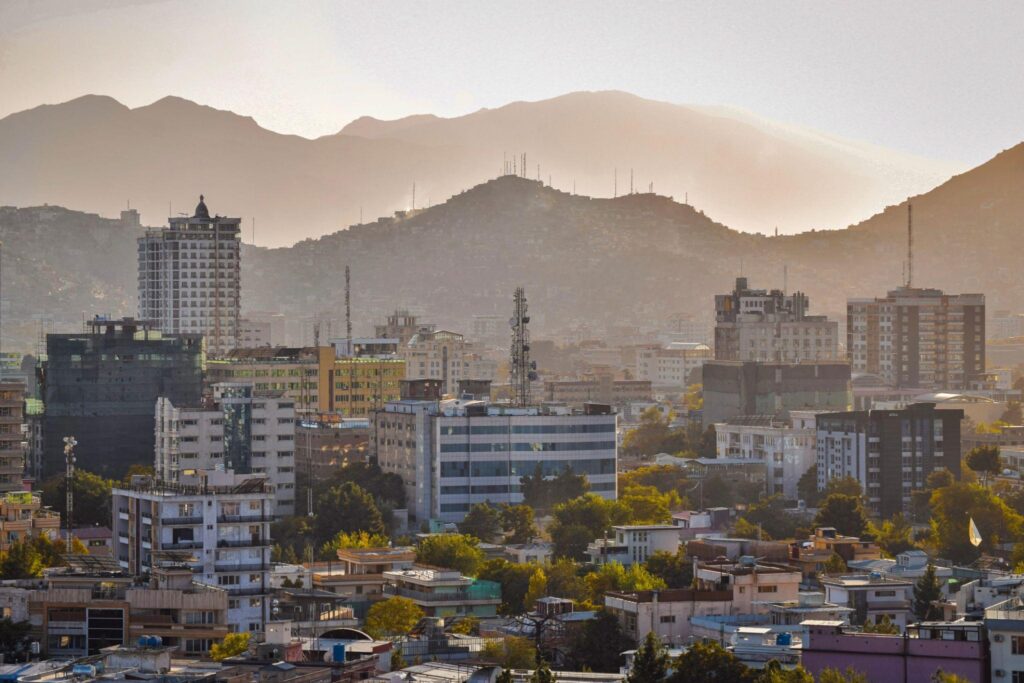
Rapid urbanization has increased demand for housing, commercial properties, and mixed-use developments in major Afghan cities. Population growth and urban migration have created opportunities for investors in residential construction, office buildings, retail centers, and hospitality developments.
Modern urban planning, sustainable construction practices, and integrated community development projects can contribute to improved living standards and economic diversification.
Tourism & Cultural Heritage
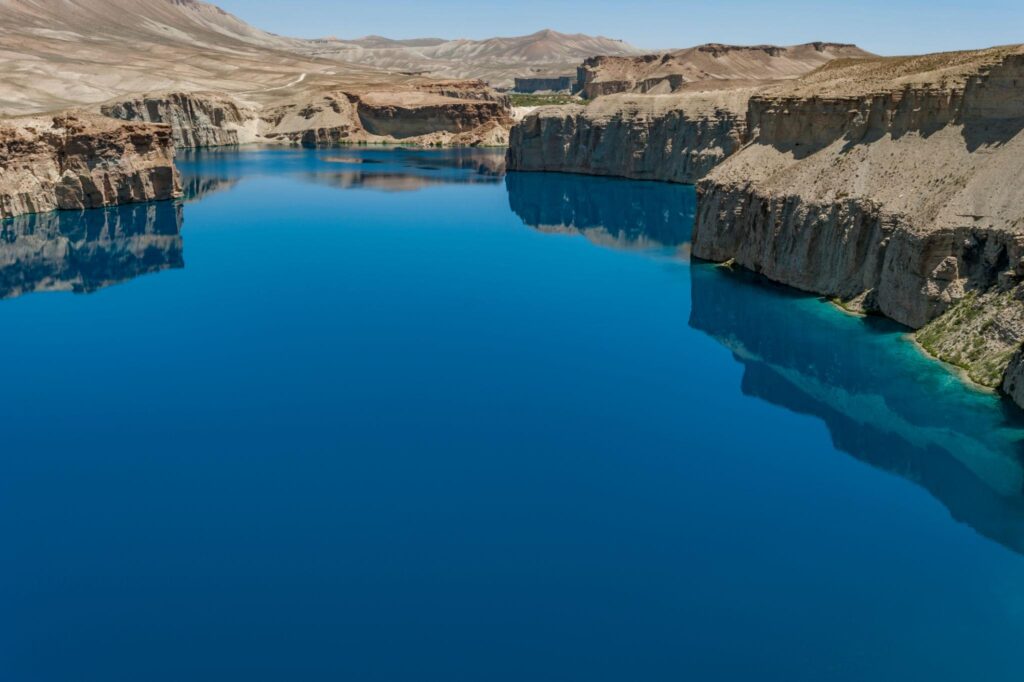
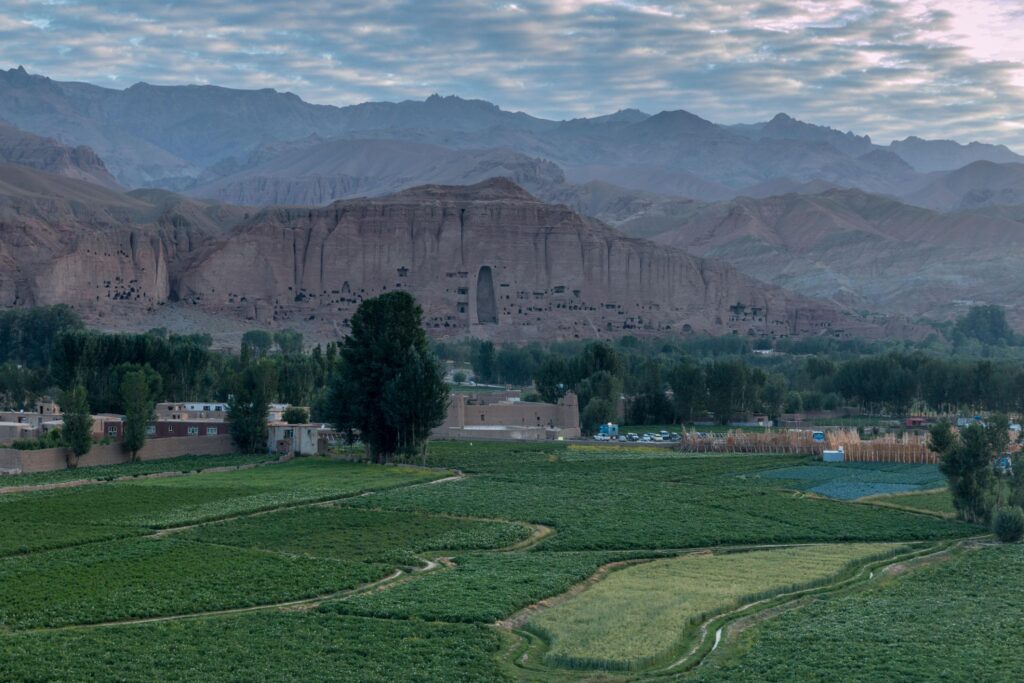
Afghanistan’s rich cultural heritage, historic sites, and diverse landscapes offer long-term potential for tourism development. From ancient Silk Road cities to mountainous regions suitable for eco-tourism and adventure tourism, the country possesses unique attractions that remain largely unexplored.
Investment opportunities exist in hospitality infrastructure, cultural tourism initiatives, eco-tourism projects, and heritage site preservation, which can support cultural exchange and economic development.
Industrial Manufacturing
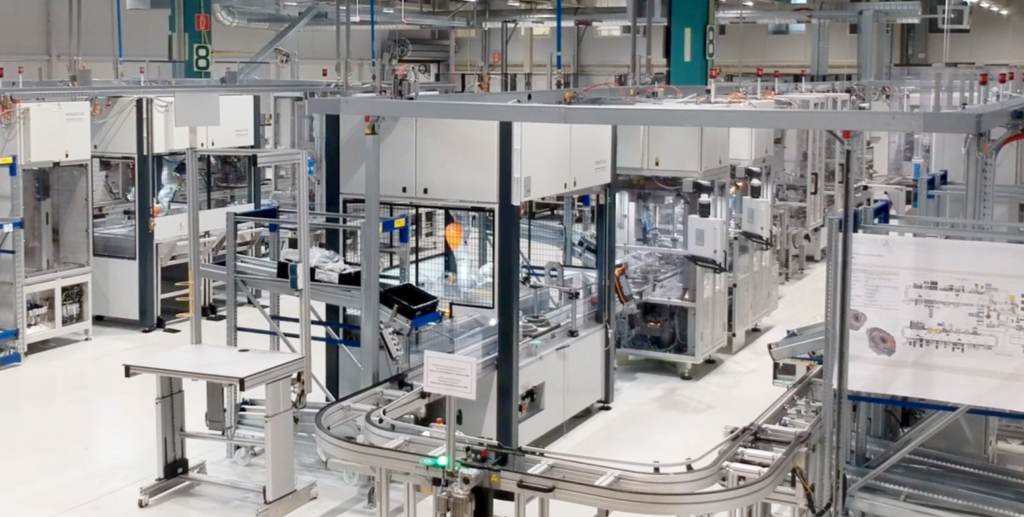
Industrial manufacturing has significant growth potential through the development of construction materials, textiles, food processing, and light manufacturing industries. Local production can help reduce reliance on imports while supporting employment and export opportunities.
Investment in industrial parks, manufacturing facilities, and supply chains can contribute to economic diversification and value-added production.
Digital Economy & Telecommunications
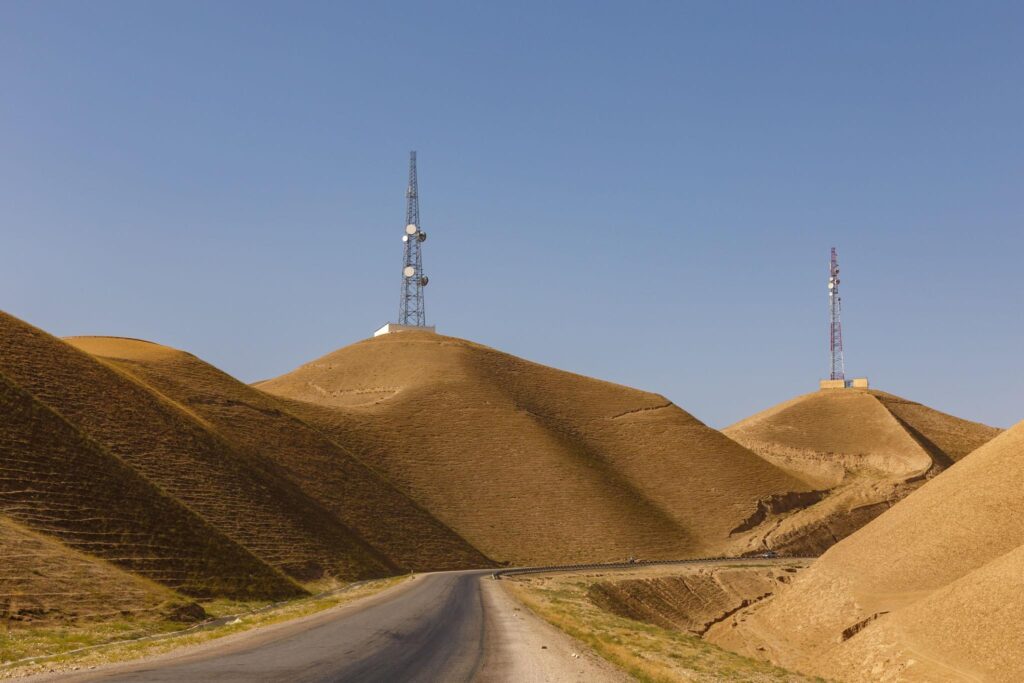
Afghanistan’s telecommunications sector has experienced notable growth over the past two decades. Expanding mobile connectivity and internet access have created opportunities in digital services, fintech, telecommunications infrastructure, and technology startups.
Continued investment in digital infrastructure can enhance financial inclusion, improve access to services, and support the development of a modern digital economy.
Trade & Logistics
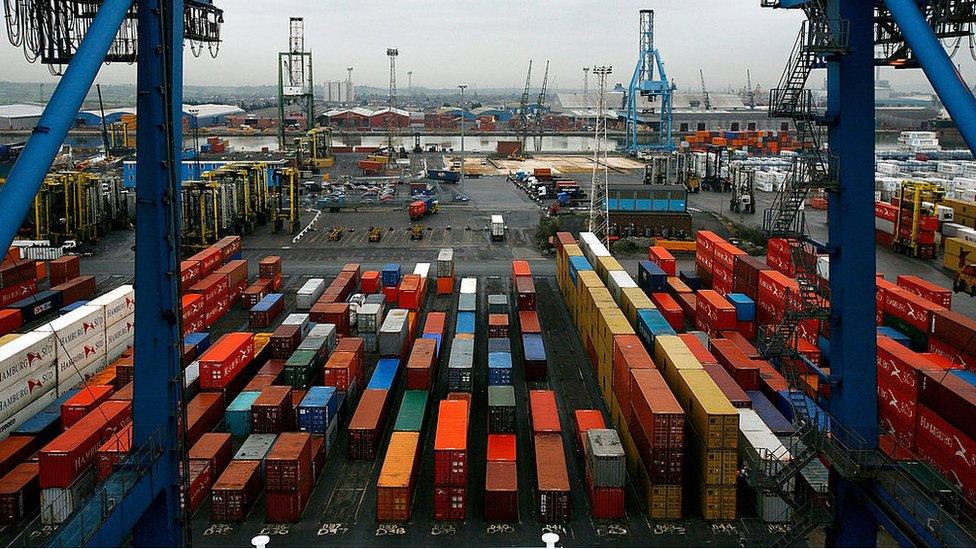
Afghanistan’s strategic geographic location places it along historic trade routes connecting Central Asia, South Asia, and the Middle East. Regional trade initiatives and transport corridors present opportunities for investments in logistics hubs, warehousing facilities, cross-border trade infrastructure, and freight services.
Strengthening logistics networks can facilitate regional commerce and position Afghanistan as an important transit economy.
EMAIL: CEO@afghanistaninvestmentfunds.org
PHONE: +44 7399 334260
ADDRESS: 6 Northolt Road Harrow, England HA2 8HB
© 2026 Afghanistan Investment Funds. All Rights Reserved.

